For much of the past decade, growth across many markets was fuelled by liquidity, expansion and optimism. Ambitious developments often secured momentum through scale, vision and access to capital alone. Today, however, investors, sovereign wealth funds and lenders are applying a far more analytical lens to project viability, delivery risk and long-term operational performance.
Capital is no longer simply chasing growth. It is increasingly seeking certainty.
This shift is reshaping the industry globally, particularly across the GCC, where giga-projects continue to redefine the scale and complexity of modern urbanisation. Projects are now being evaluated with far greater emphasis on governance, financial resilience, procurement discipline and execution capability.
At the same time, the traditional boundaries between development management, project management, cost management and design oversight are rapidly evolving. Increasing project complexity and heightened investor scrutiny are driving demand for more integrated, data-led and predictive approaches across the entire project lifecycle.
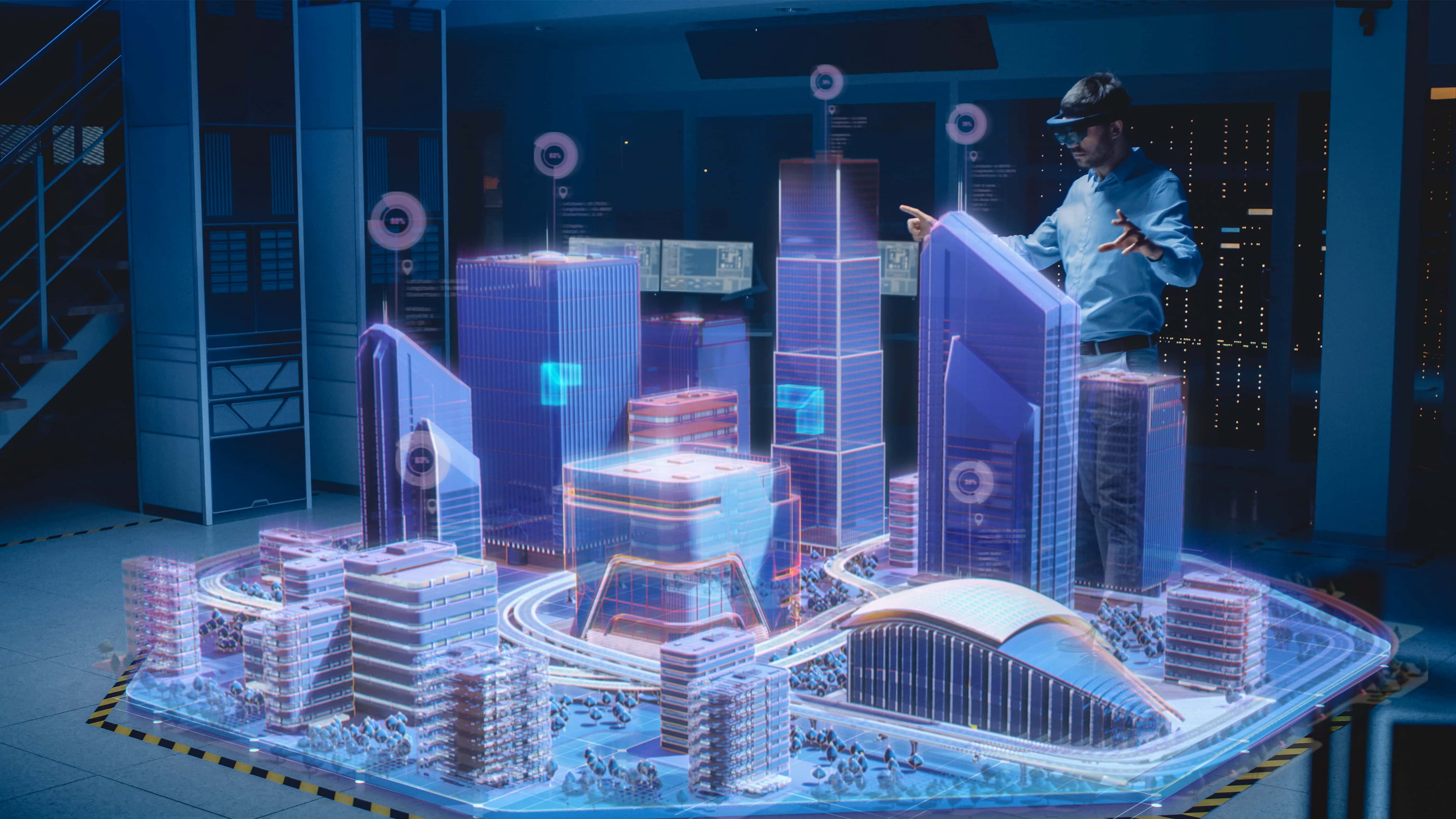
Artificial intelligence, predictive analytics and live project data are beginning to transform how projects are planned, designed, procured and delivered. From feasibility analysis and cost forecasting to programme optimisation and strategic asset planning, technology is creating levels of visibility, productivity and insight previously unavailable at scale.
At Matthews, we believe the future of the industry will not be defined by technology alone, but by how effectively technology is combined with human expertise, commercial judgement and real-world delivery experience.
We are already embracing advanced digital tools, AI-enabled productivity and future learning systems to help enhance decision-making and improve project outcomes across development, project, cost and design management disciplines. However, experience remains critical in interpreting risk, navigating complexity and delivering successful projects in the real world.
The most effective organisations of the future will likely be those capable of combining both — leveraging the intelligence and efficiency of modern digital systems alongside the creativity, strategic thinking and practical knowledge that only experienced professionals can provide.
Ultimately, the market is maturing. And in an increasingly selective capital environment, credibility, execution capability and intelligent decision-making are becoming the industry’s most valuable currencies.
The future will belong to organisations that can combine the intelligence of technology with the wisdom of experience.